
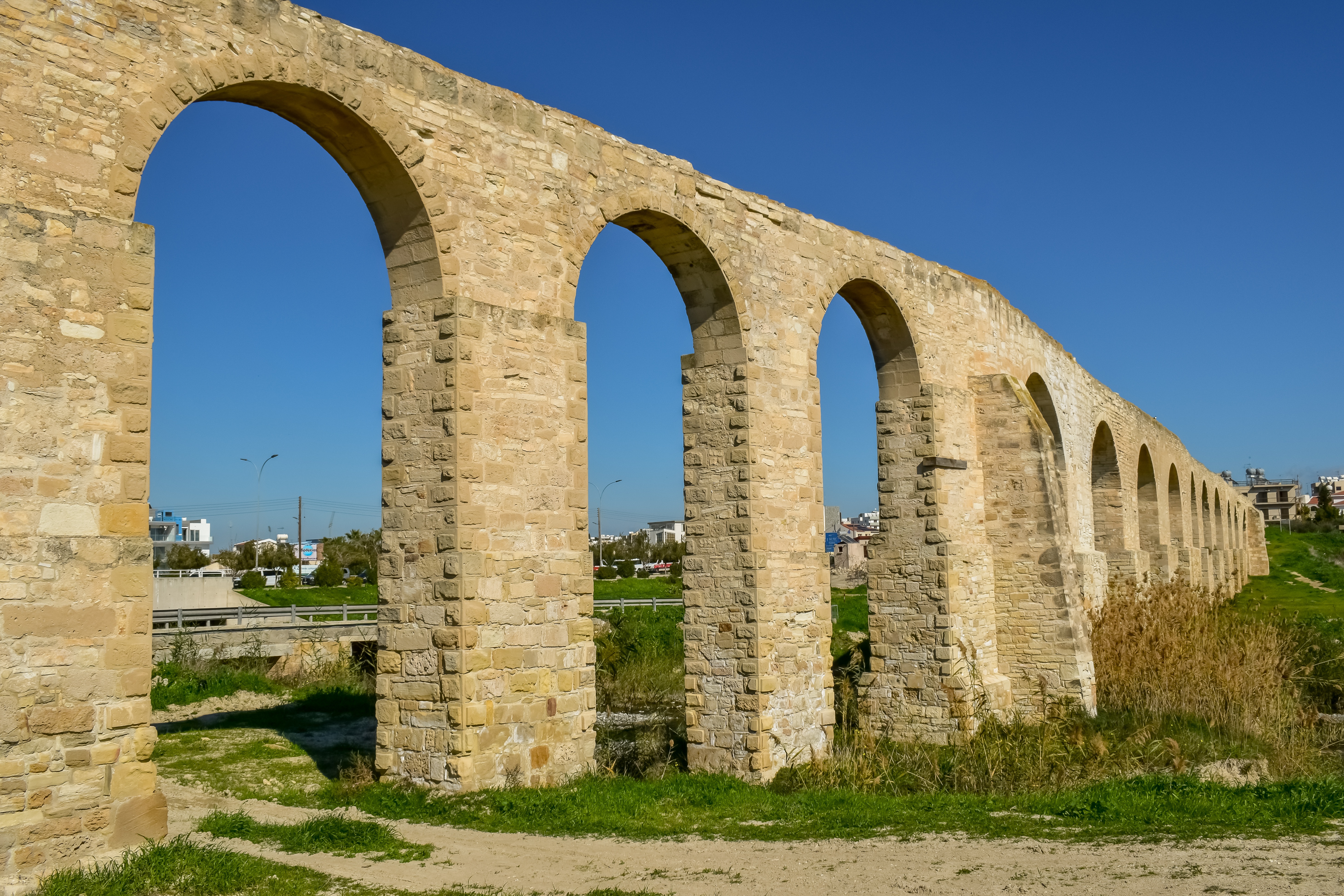

STEM Area: Engineering, Design
Grade Level: 3-8
Activity Type: Design Challenge
About:
Build an aqueduct out of common materials this civil engineering challenge. Students explore the mechanics behind aqueducts as they plan, build, and test their designs.
Materials:
- Box cutter
- Cup
- Scissors
- Tub, bowl, or other wide-mouth container
- Water, in a half-gallon container
- A variety of building materials. Some examples include:
- Cardboard boxes, tubes, or pieces
- Glue
- Rubber bands
- Tape (packing, duct, masking)
- Waterproofing materials (e.g., waxed paper, aluminum foil, plastic wrap or bags, garbage bags)
- Yardstick or tape measurer
Safety Note: Adult supervision required
NGSS Standards
Grades 3-5
3-5ETS1-1
Define a simple design problem reflecting a need or a want that includes specified criteria for success and constraints on materials, time, or cost.
3-5ETS1-2
Generate and compare multiple possible solutions to a problem based on how well each is likely to meet the criteria and constraints of the problem.
3–5ETS1-3
Plan and carry out fair tests in which variables are controlled and failure points are considered to identify aspects of a model or prototype that can be improved.
5-ESS2-1
Develop a model using an example to describe ways the geosphere, biosphere, hydrosphere, and/or atmosphere interact.
Grades 6-8
MS-ESS3-1
Construct a scientific explanation based on evidence for how the uneven distributions of Earth’s mineral, energy, and groundwater resources are the result of past and current geoscience processes.
MS-ESS3-4
Construct an argument supported by evidence for how increases in human populations and per-capita consumption of natural resources impact Earth’s systems.
MS-ETS1-1
Define the criteria and constraints of a design problem with sufficient precision to ensure a successful solution, taking into account relevant scientific principles and potential impacts on people and the natural environment that may limit possible solutions.
Discover Engineering
Leave a Reply